
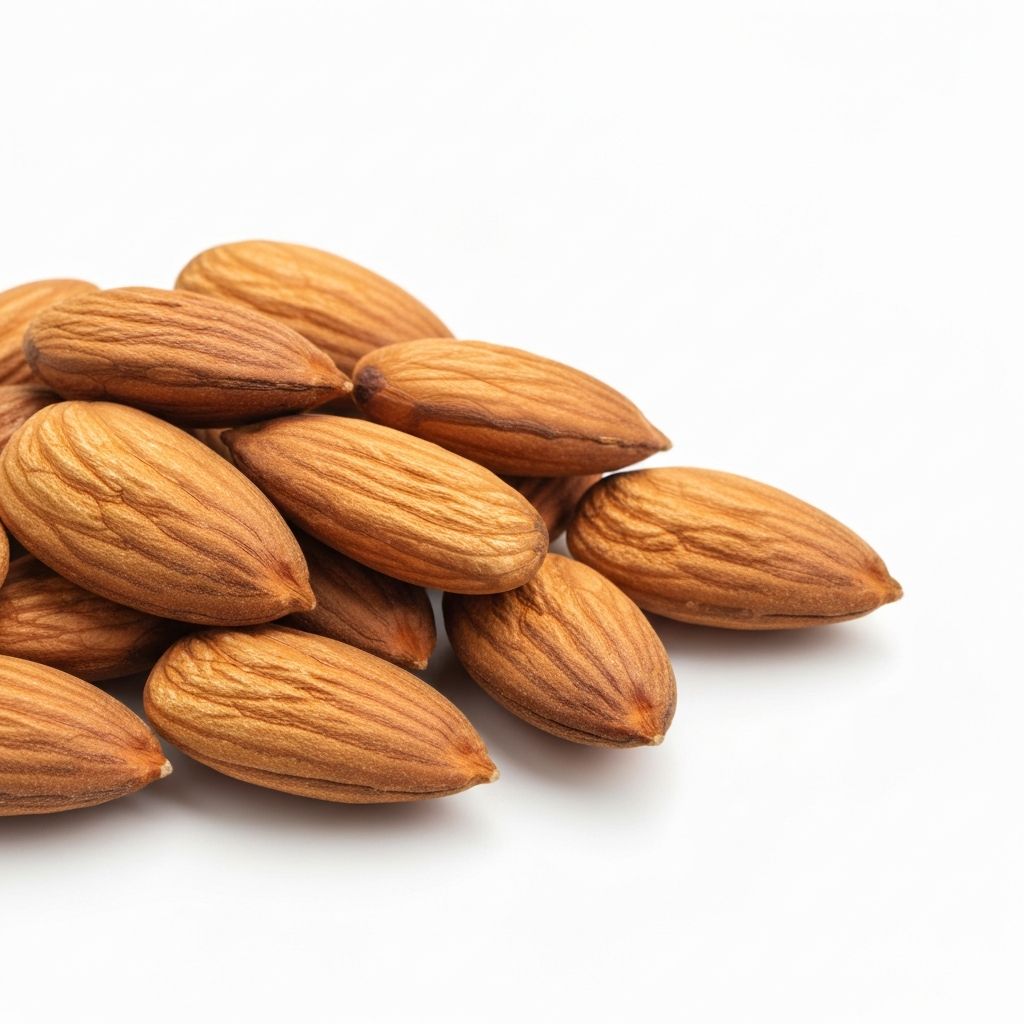
Impact of Processing on Nutritional Value
Food processing encompasses techniques from simple cutting and freezing to complex industrial transformations involving chemical extraction, heating, and ingredient addition. Different methods affect nutrient retention and food composition in measurable ways documented in nutritional research.
Minimal Processing Methods
Freezing preserves most nutrients effectively. Flash-freezing captures produce at peak ripeness, retaining vitamin C, antioxidants, and phytonutrients comparable to fresh equivalents. Drying removes water content while concentrating micronutrients by weight—dried fruits and vegetables retain significant nutrient density despite concentrated sugars. Fermentation produces beneficial compounds and improves micronutrient bioavailability through bacterial action. These minimal processes maintain overall nutritional integrity.
Heat Processing Effects
Cooking temperatures affect nutrient stability differently. Water-soluble B vitamins and vitamin C leach into cooking water or degrade at high temperatures. Fat-soluble vitamins remain relatively stable. Some compounds—lycopene in tomatoes, beta-carotene in carrots—become more bioavailable when heated. Steaming or brief boiling preserves more vitamins than prolonged cooking. Pressure cooking may retain more nutrients through reduced cooking time despite high heat.
Refinement and Separation Processes
Grain refinement—removing bran and germ—eliminates fiber, B vitamins, minerals, and phytonutrients. Whole wheat contains 3.7g fiber; refined white flour contains 0.3g per 100g. Oil extraction from nuts and seeds separates fat from protein, fiber, and micronutrients. Juice production removes fiber while concentrating sugars. These separation processes deliberately reduce micronutrient density for shelf stability or texture modification.
Chemical Extraction and Modification
Industrial extraction using solvents removes oils, proteins, or specific compounds from whole foods. Hydrogenation converts liquid oils to solid fats, creating unnatural trans fats unseen in whole foods. Emulsifiers, thickeners, and other additives alter natural food structure. These chemical processes produce substances not present in minimally processed equivalents.
Combination Effects in Ultra-Processing
Ultra-processed foods typically combine multiple processing steps. Grain refinement removes 40-60% of original micronutrients. Subsequent addition of fortification compounds—added synthetic vitamins—rarely restores the full spectrum of removed nutrients and bioactive compounds. Multiple heat exposures, chemical modifications, and ingredient additions accumulate nutrient losses beyond any single process alone.
Research Findings on Nutritional Outcomes
Nutritional science documents that populations consuming minimally processed foods exhibit different biomarker profiles—micronutrient status, antioxidant markers, inflammatory indicators—compared to those emphasizing ultra-processed options. These differences reflect the cumulative effect of nutrient retention, phytonutrient presence, fiber content, and natural nutrient-nutrient interactions preserved in whole foods but disrupted through industrial processing.