
Pure Nutrition Science
An educational exploration of nutritional principles and their general relation to body weight physiology.

Introduction to Whole Food Nutrition
Nutrition science examines how foods and their components interact with biological systems. Whole foods—minimally processed items retaining their natural structure—form the foundation of nutritional research.
This educational resource explores fundamental concepts: nutrient density, macronutrient and micronutrient functions, and the physiological processes affected by food composition. All content presents information for learning purposes only.
Nutrient Density Explained
Nutrient density refers to the concentration of essential vitamins, minerals, and macronutrients relative to caloric content. Foods with high nutrient density provide substantial nutritional value per unit of energy.
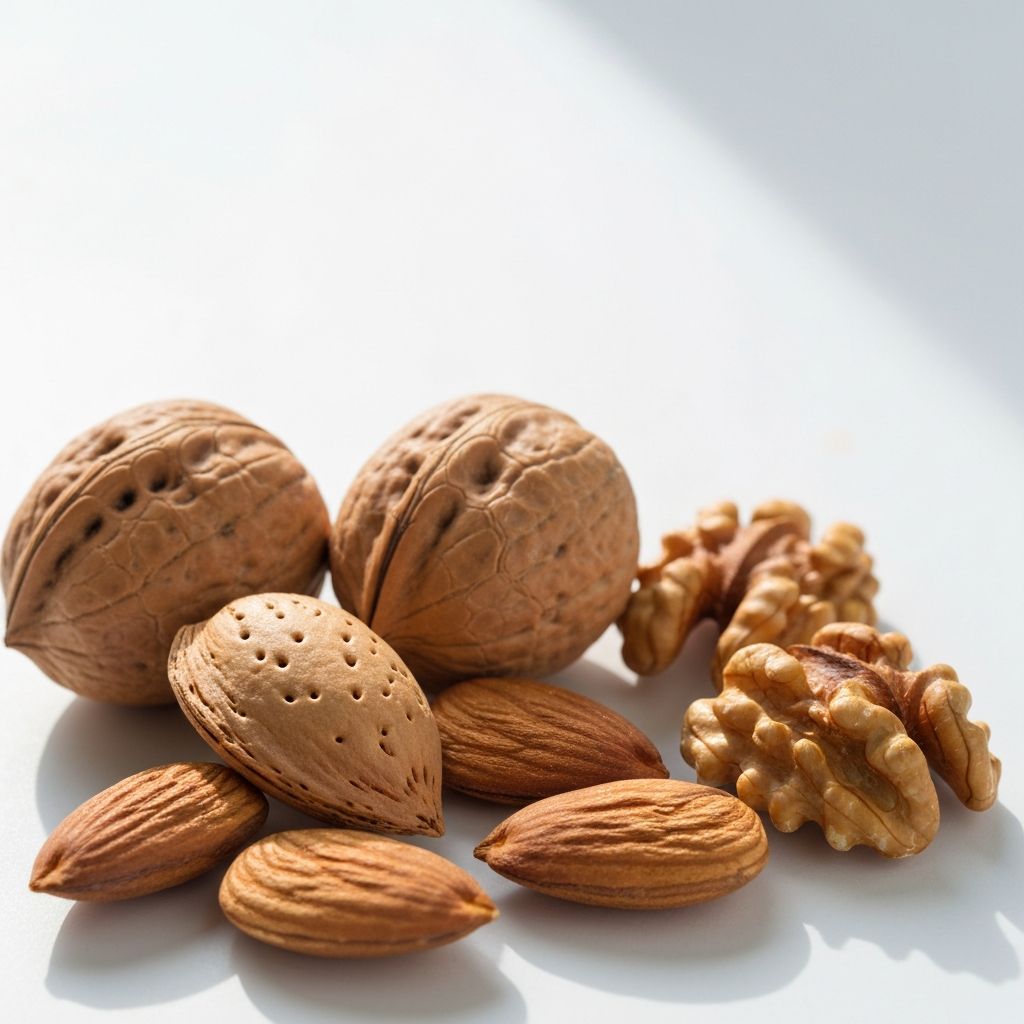
Research demonstrates that whole foods typically exhibit higher nutrient density than ultra-processed alternatives due to retained micronutrients and minimal added ingredients.
Whole Foods vs Ultra-Processed Foods
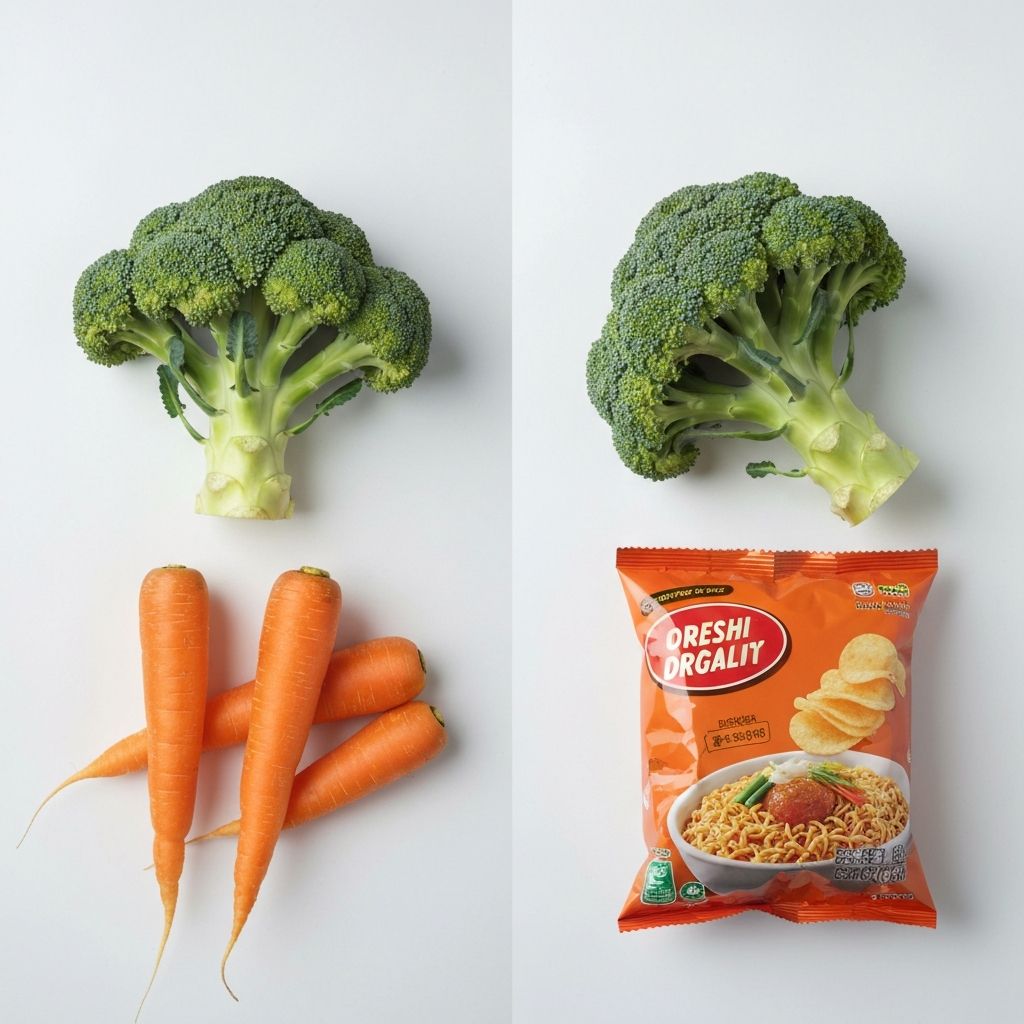
Whole Foods
- Minimal processing preserves nutrients
- Natural fiber content intact
- No artificial additives
- Diverse micronutrient profiles
- Supports stable energy metabolism
Ultra-Processed Foods
- Multiple processing stages reduce nutrients
- Fiber often removed or reduced
- Artificial ingredients commonly added
- Limited micronutrient variety
- May affect energy regulation patterns
Role of Minimally Processed Foods
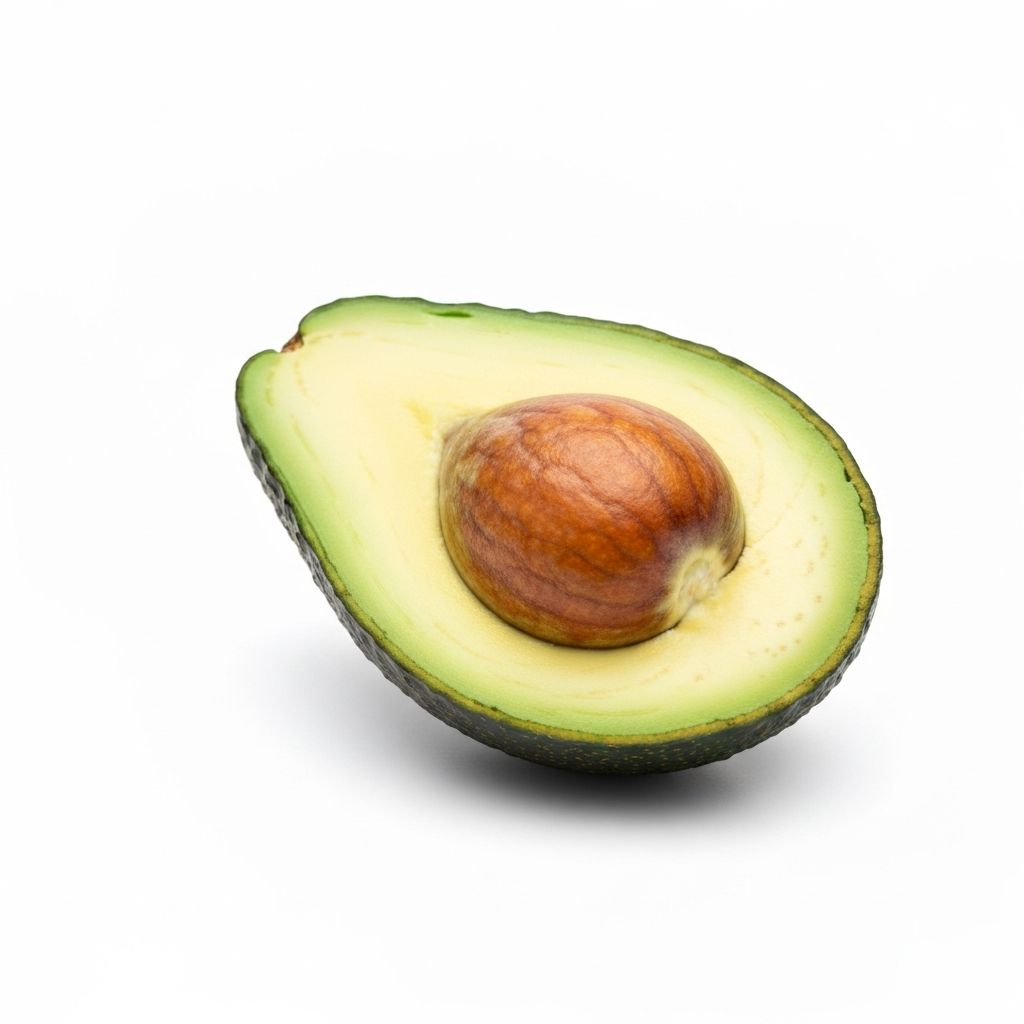
Minimally processed foods retain biological structures that support normal physiological function. Intact cell walls, natural enzyme systems, and original nutrient complexes interact with digestive and metabolic processes in measurable ways.
Scientific literature consistently documents that consumption patterns emphasizing whole foods correlate with various aspects of general health physiology, independent of any weight-related outcomes.
Micronutrient Sources in Nature

Micronutrients—vitamins and minerals essential for metabolic processes—exist naturally in diverse whole food sources. Leafy greens provide folate and iron; nuts and seeds deliver magnesium and selenium; fish offers vitamin D and omega-3 fatty acids.
Each food category contributes unique micronutrient profiles. Understanding natural distribution patterns helps explain why varied whole food intake supports comprehensive nutrient status.
Macronutrient Balance in Whole Diets

Macronutrients—proteins, carbohydrates, and fats—form the structural and energetic basis of nutrition. Whole foods naturally present these in varied proportions reflecting their biological origin.
Whole grains combine carbohydrates with fiber and B vitamins; legumes unite plant protein with complex carbohydrates; fatty fish pairs protein with beneficial lipids. These natural combinations support efficient nutrient absorption and utilization.
UK Whole Food Consumption Trends
National dietary surveys in the United Kingdom track consumption patterns of whole versus processed foods. Data indicates variable intake of whole grains, fruits, vegetables, and unprocessed proteins across population demographics.
These trends reflect shifting food availability, cost structures, cultural preferences, and nutritional awareness. Understanding consumption patterns provides context for nutritional science discussions specific to British populations.
Common Purity Myths Explained

Popular discourse contains misconceptions about "pure" nutrition. This section clarifies evidence-based distinctions from unsupported claims.
Featured Pure Nutrition Articles


What Nutrient Density Really Means
A detailed scientific definition of nutrient density and examples from common whole food sources.
Read Article →
Whole Foods vs Ultra-Processed
Key differences in nutritional profiles and their effects on physiological processes.
Read Article →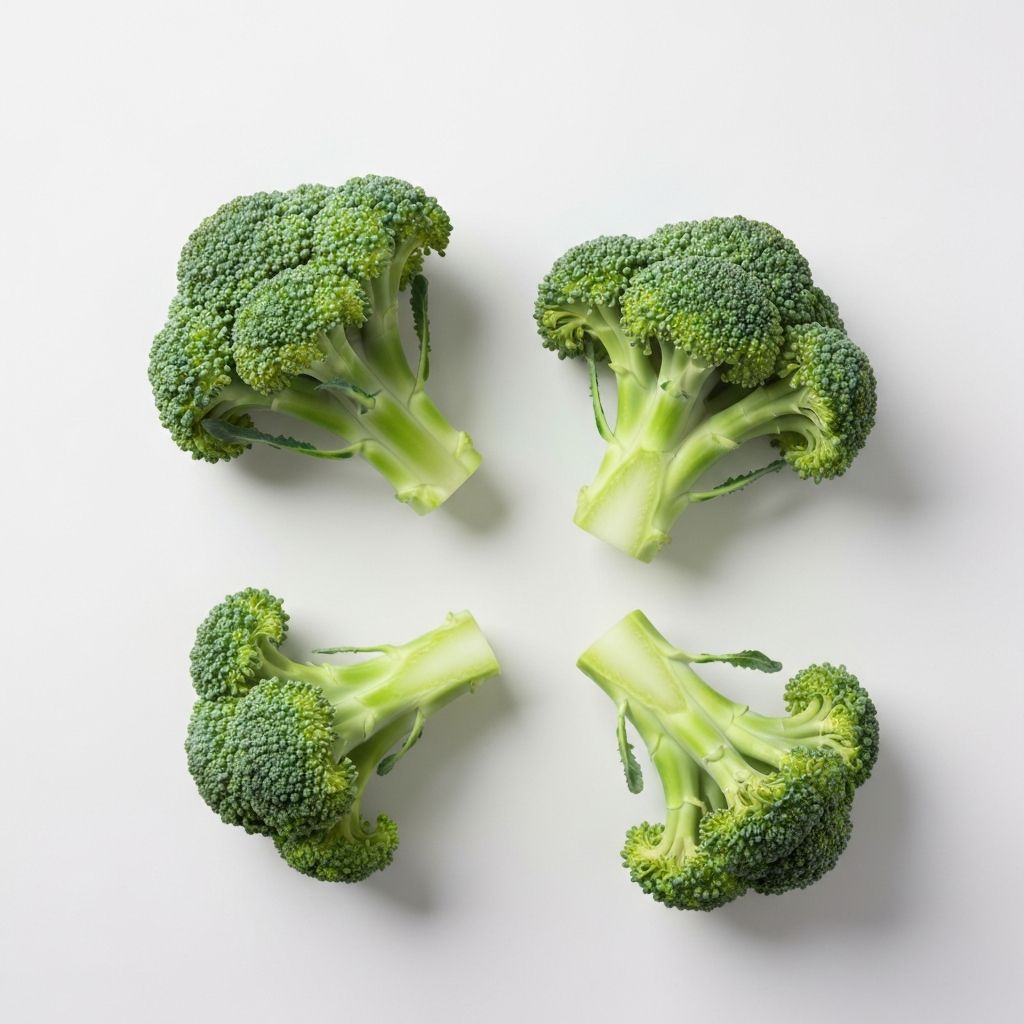
Natural Sources of Essential Micronutrients
An overview of vitamins and minerals in food-based form and their biological roles.
Read Article →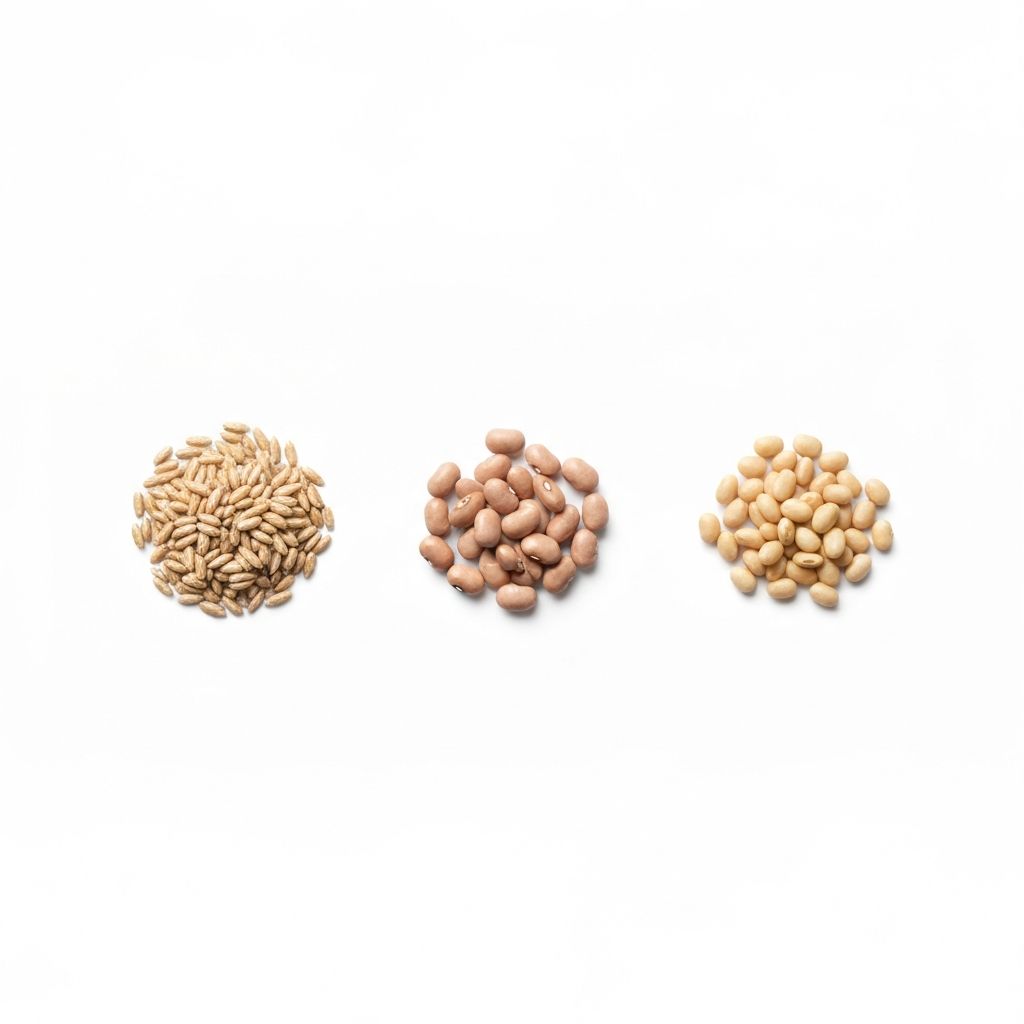
Macronutrient Patterns in Minimally Processed Diets
General observations on how natural foods combine proteins, carbohydrates, and fats.
Read Article →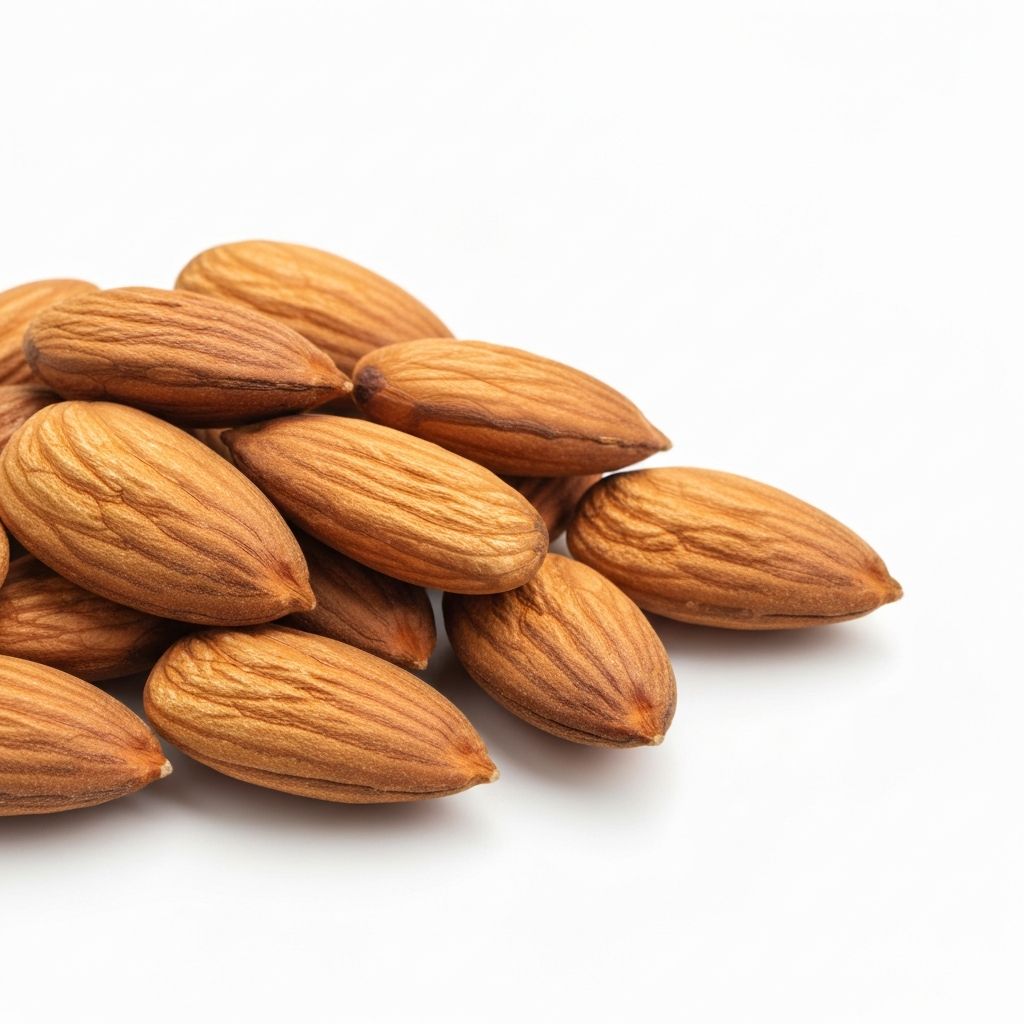
Impact of Processing on Nutritional Value
Research facts on how different processing methods affect nutrient retention.
Read Article →
Trends in Whole Food Intake in the UK
National dietary data summary and consumption pattern observations.
Read Article →Frequently Asked Questions
Explore Pure Nutrition Science Further
Discover more evidence-based information about whole food nutrition and nutritional science principles.
View All Articles Learn More About Us